Anti-termite treatment: before you build and after
Treat the soil before the concrete for SAR 3–3.5 or AED 3–6 per m², or pay several times more later: the treatment stages, the building habits that help and the signs to watch.
Treat the soil against termites before the concrete goes in: it costs about SAR 3–3.5 per m² in Riyadh and AED 3–6 per m² in Dubai. Treating the same villa once termites are inside means drilling and injecting through the floors and costs several times more. In Dubai, pest control firms say a pre-construction treatment certificate is needed for the building completion certificate. Bahrain now requires the treatment for every new building.
Anti-termite treatment at a glance
Item
Riyadh (SAR)
Dubai (AED)
Pre-construction soil treatment
3–3.5 per m²
3–6 per m²
Spot treatment of an existing home
from 500
1,500–3,500
Full treatment of an infested villa
1,200–3,500+
3,500–7,500+
Injection around and inside the house
12–15 per hole
in the full treatment
Inspection visit
with the quote
from 200
1. Why the Gulf needs it
The termites that damage Gulf homes are mostly subterranean termites: they live in the soil, climb into the building through cracks and pipe openings, and eat doors, frames, skirting, wooden floors and other wood-based materials. They travel inside mud tubes, so the damage often stays hidden until a door frame sounds hollow. Treating the soil before the slab is the only time the whole area under the house can be reached, so the treatment belongs in the contractor's programme from day one, not as an extra later.
2. Before you build: the treatment stages
The treatment is a liquid termiticide applied to the soil at set points of the work, so that it forms a continuous barrier under and around the building:
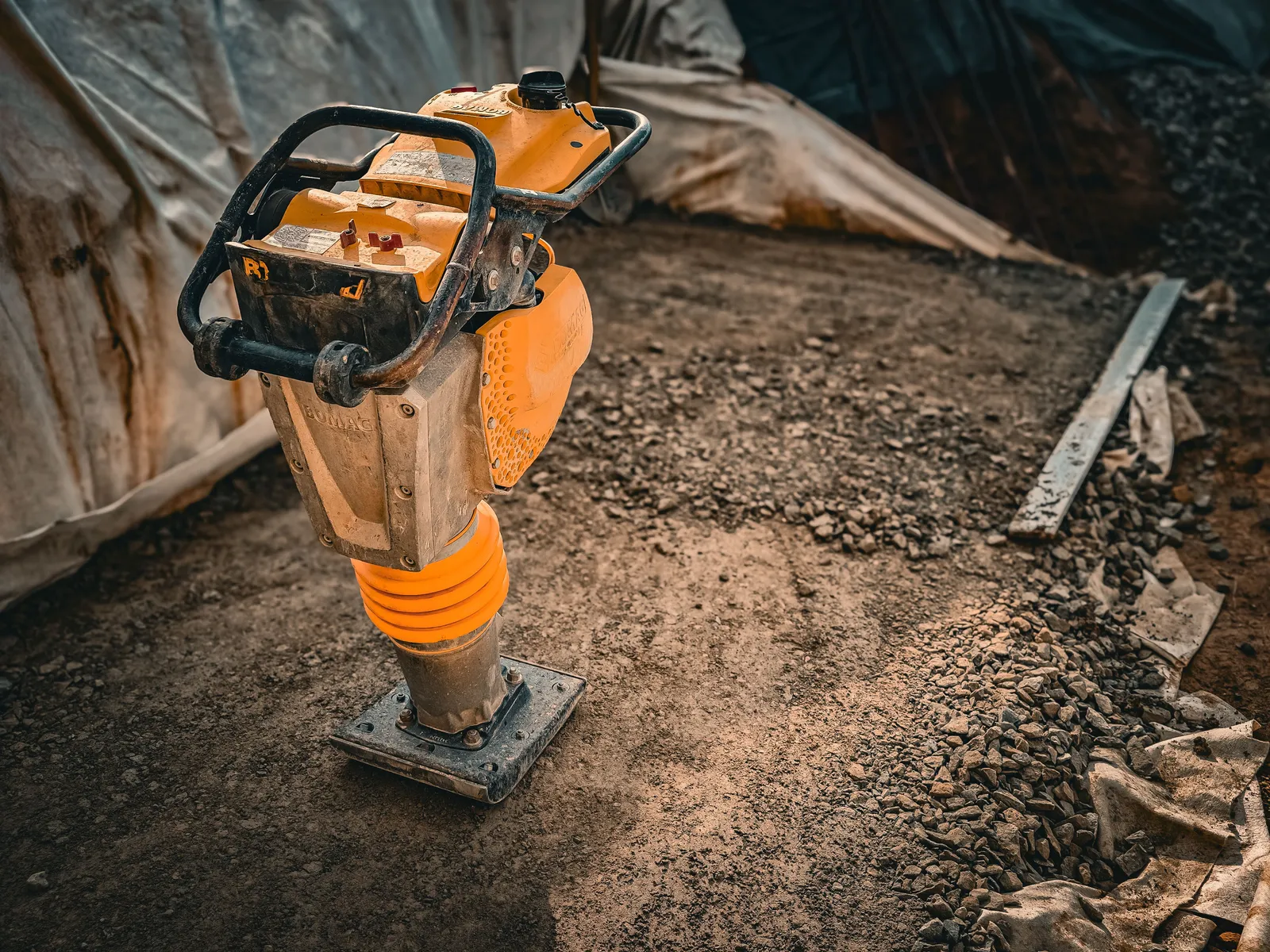
Under the slab: once the excavation, backfill (الدفان) and compaction are finished, and before the blinding concrete (صبة النظافة). In Riyadh, firms cover the treated soil with plastic sheet until the concrete is poured, within 24 hours.
Around foundations and grade beams: the sides of footings and the ends of the grade beams, where termites often enter.
Around the building: the soil strip along the outside walls, before the outside tiling or interlock is laid.
Any soil moved after treatment must be treated again. Ask the firm to come back if new sand is brought in.
3. Build in a way termites don't like
Remove all wooden formwork, stakes and offcuts after the concrete is cured. Wood left in the soil is a common cause of infestation.
No wood touching the soil, even treated wood.
Keep the outside wall finishes at least 15 cm above the ground, so tubes are visible.
Fit collars around pipes and cables that pass through the slab.
Don't plant against the walls: digging breaks the barrier and plants hide the tubes.
4. Choose the firm and the product
Use a licensed company. In Dubai, pest control companies need a no-objection certificate from the Municipality's public health pest control section. In Saudi Arabia, termiticides are registered with the SFDA.
Ask for the product name, dose and area in writing, and for a certificate after each stage with the date and photos.
Ask for a site plan that marks the treated areas, so later works know where the barrier is.
Ask which product they use. Some firms still list chlorpyrifos, which the US EPA withdrew as a soil termiticide in 2000 because it doesn't last.
5. After you build: signs and treatment
Check once a year, and after any work that disturbs the soil:
Mud tubes on walls, foundations or inside cupboards.
Hollow-sounding wood in door frames, skirting and wardrobes.
If you find them, call a licensed firm. It treats an existing house by drilling and injecting the floor along the walls and around the house, by trenching the soil outside the walls, or with bait stations checked on a schedule. Plan the treatment before you lay new floors or fit wardrobes.
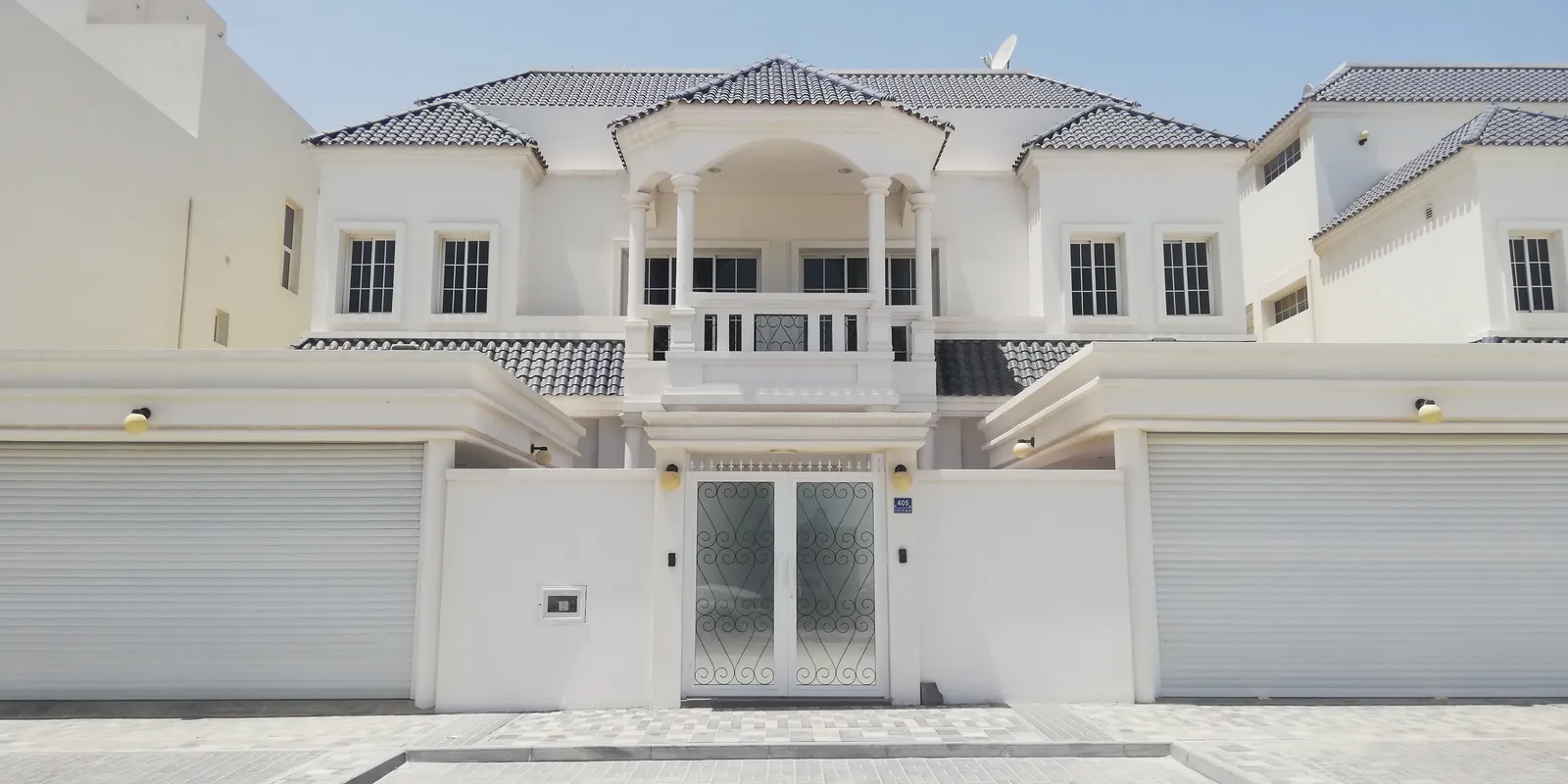
Example: a villa with a 20 × 10 m ground floor
Treated area: the footprint plus a 1 m strip around it, (20 + 2) × (10 + 2) = 264 m².
Riyadh: 264 × 3 = SAR 792 to 264 × 3.5 = SAR 924; with 15% VAT: SAR 911 to SAR 1,063
Dubai: 264 × 3 = AED 792 to 264 × 6 = AED 1,584; with 5% VAT: AED 832 to AED 1,663
The same villa infested later: SAR 1,200–3,500 or more in Riyadh and AED 3,500–7,500 or more in Dubai for the treatment alone, before replacing damaged doors, frames or wardrobes.
Before you start building
Book the firm before excavation so the first stage isn't missed.
Tell the contractor the stages: no blinding concrete until the soil is treated.
Ask for a certificate per stage with product, dose, area, date and photos, and keep it with the villa's documents.