Villa handover: 20 things to check before you take the keys
Tap every tile, run every tap and drain, test every socket and AC, collect the papers and sign with reservations: the 20 checks to make before you accept your new villa.
Don't sign the final handover while defects are still open. Walk the villa with your engineer or a snagging inspector, test every tap, drain, socket and AC unit, tap every tile, and collect the documents. Then sign a handover with reservations, with the snag list attached and a date for each fix. A professional villa inspection costs about SAR 800 through Saudi Arabia's Sustainable Building programme and AED 3,000–6,000 with a Dubai snagging firm.
The 20 checks at a glance
Area
Checks
What you need
Outside and roof
1–4
water hose, phone camera
Floors, walls and ceilings
5–9
small hard tool, ball, torch
Water
10–13
time, torch
Power and AC
14–16
socket tester
Safety
17–18
tape measure
Papers and signature
19–20
snag list, pen
Before the day
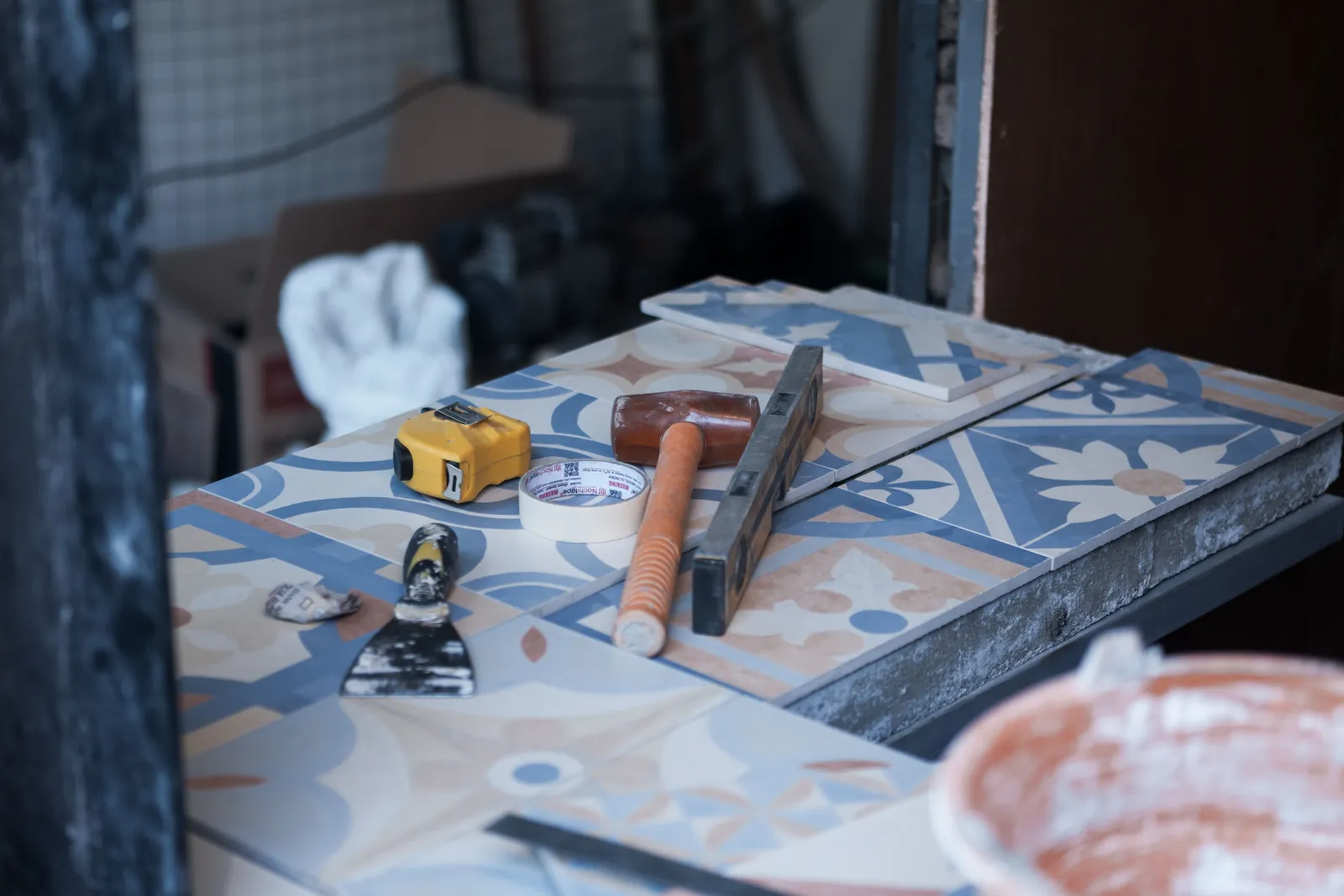
Bring: a tape measure, a spirit level, a socket tester, a torch, a small ball or marble, masking tape and your phone for photos.
Book daylight hours: a villa takes about 6–10 hours to inspect properly.
Ask for the documents a few days before: drawings, test reports and manuals (check 19).
1. Cracks in the facade and boundary walls. Hairline cracks in plaster are common; cracks that are wide, stepped or running diagonally from window corners need the engineer's view.
2. Roof waterproofing. Ask for the flood test report. If there isn't one, do it: block the outlets, fill the roof and check the ceilings below after 24 hours. See our roof waterproofing guide.
3. Drainage outside. Pour water on the roof, terraces and yard: it should run to the outlets and not stand in pools.
4. Joints around windows and outside tiles. Sealant around every window frame, no gaps between outside tiles and walls, and no loose interlock.
Floors, walls and ceilings
5. Tap every tile. A hollow sound means the tile is not fully bedded. Hollow tiles crack later under furniture, and replacing one after you move in costs about AED 200–500 in Dubai.
6. Tile lines and joints. Straight joints, even grout, no chipped edges and no step between tiles. Roll a ball across floors to find dips.
7. Walls and paint. Even colour in daylight, no patches, no cracks at ceiling corners, and clean edges at skirting and switches.
8. Gypsum ceilings. No cracks along board joints, and access panels where the AC units and valves are.
9. Doors and windows. Every door opens, closes and locks without rubbing; every window opens, shuts tight and locks.
Water
10. Every tap. Strong flow, hot water at each tap within a reasonable time, and no rattling pipes.
11. Every drain. Run water in each basin, shower and floor drain: it should go down fast with no smell. Shower floors must fall towards the drain.
12. Leaks. After running the water, look under sinks, behind toilets and at the ceilings below bathrooms.
13. Water tank and pump. Tank clean and closed, pump switching on and off normally, and no leaks in the pump room.
Power and AC
14. Every socket and switch. Test them with the socket tester, and check that the distribution board is labelled room by room.
15. Earth leakage protection. Press the test button on each RCD in the board: it must trip.
16. Every AC unit. Each one cools its room, drains its condensate outside or into a drain, and runs without loud noise.
Safety
17. Stairs, balconies and roof edges. Handrails firm, and gaps in balustrades small enough that a 100 mm ball can't pass, which is the limit Dubai's development authority uses.
18. Pool, if you have one. Barrier at least 1.2 m high with a self-closing gate, as Dubai Municipality guidance asks, and equipment running. See our pool cost guide.
Papers and signature
19. The documents. As-built drawings, test reports (waterproofing, pipe pressure), the anti-termite certificates, manuals and certificates for the AC, water heaters and pumps, all keys and remotes, and meter readings. In Saudi Arabia, the occupancy certificate is needed to activate the permanent electricity supply; in Dubai, the building completion certificate.
20. The snag list and the signature. Number each defect, photograph it, agree a date to fix it, and sign the handover with reservations with the list attached. Keep the last payment and the retention until the list is closed: see how to split the contractor's payments.
Who should inspect
Your supervising engineer or consultant knows the drawings: ask them to walk the handover with you.
An independent inspector looks with fresh eyes and brings tools such as a thermal camera. In Saudi Arabia, the Sustainable Building programme lists a villa inspection at SAR 800. In Dubai, snagging firms charge about AED 3,000–6,000 for a villa.
You: checks 5, 9, 10, 11, 14 and 16 need no special skill, only time.
Moving in and want to fix what's left? Post your job for free and get 3 quotes from verified pros.